
Who are we
Anne Brans
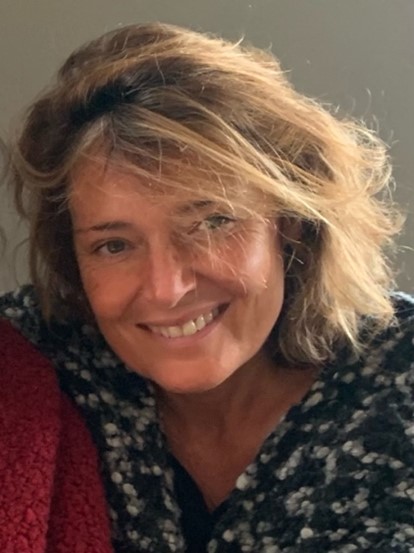
I'm a specialised doctor in gynaecology and obstetrics, and I've been practising for 30 years in Brussels and abroad (humanitarian medicine).
I've been lucky enough to be able to travel a lot in my life and explore all over the world what has always attracted me most: the discovery of remote environments where nature is still in its wildest state.
These many trips have made me aware of the many threats posed by mankind to protected areas, which are already too small and too few in number at a time when the scientific evidence is mounting to show the extent to which the resilience of human societies and the future of generations to come depend on their maintenance and development (climate change, collapse of biodiversity and recent pandemics).
Furthermore, the current dominant conservation practice of excluding humans from the very nature we wish to protect (national parks) seems to me to be increasingly incoherent in the face of demographic expansion on the one hand, and, on the other, the recent scientific questioning of the relevance of this model for the preservation of biodiversity.
In this context, Costa Rica was a natural choice as a source of inspiration for its ambitious environmental and social policies. It was an obvious choice of location for a project that could explore the question that sums up these reflections: is it possible to move towards a compromise that is essential for future generations, enabling humans to coexist sustainably in a protected natural environment?
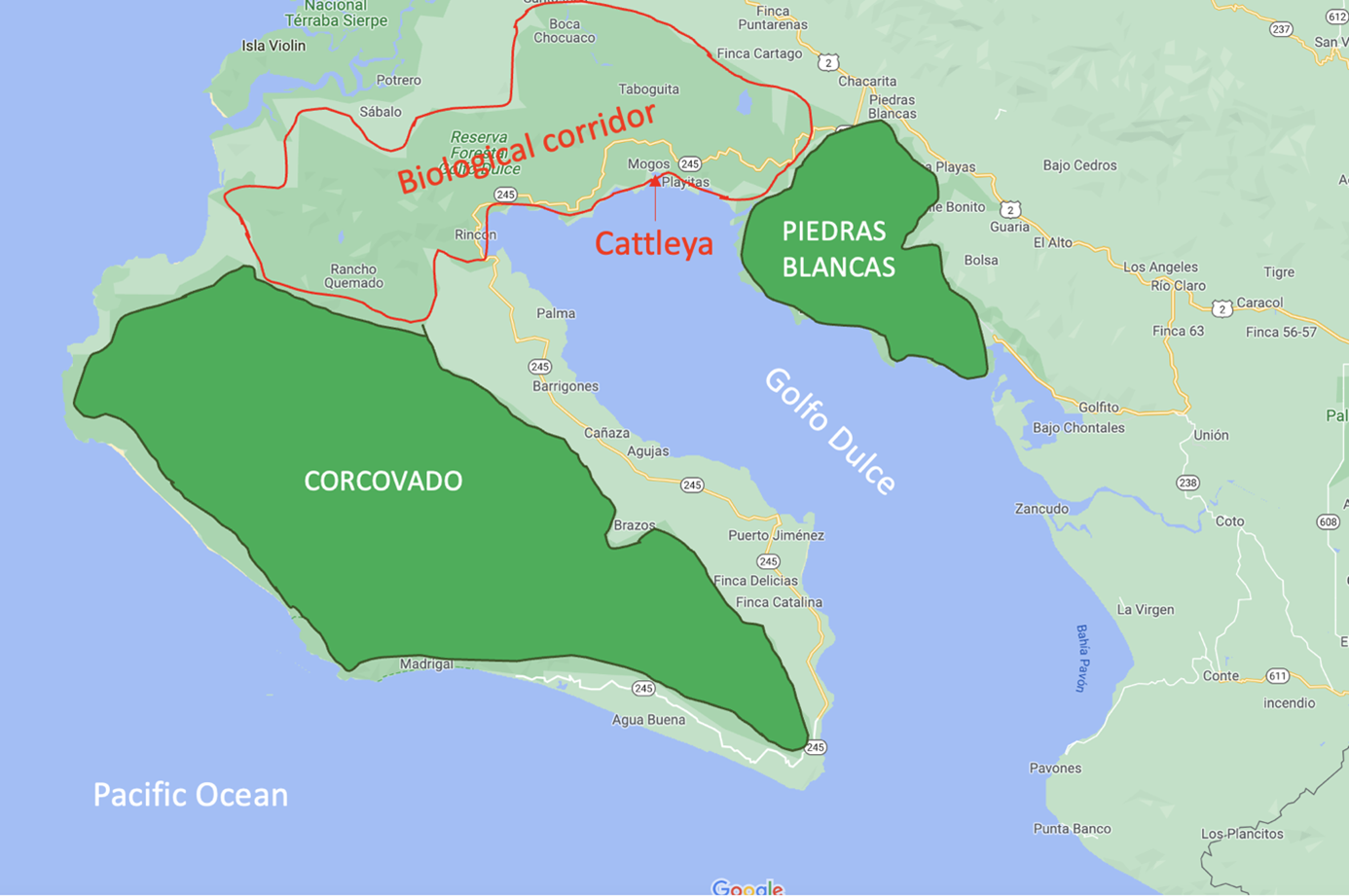
To this end, there are a number of 'intermediate' areas in the country (e.g. ecological corridors linking national parks) that offer an ideal setting for investigating this question.
The Finca Cattleya experimental station is intended to be a pilot project to explore this possibility of new models for sustainable human coexistence in a primary tropical forest without any impact on the local ecosystem, drawing on traditional indigenous knowledge.
- Carlos Viquez : Agronomist Earth University – Costa Rica
- Catherine Abadie : Epidemiologist CATIE University – Costa Rica
- Dr Charlotte Watteyn : Biologist KUL - Belgium
- Prof. Jean-François Rees : Biologist UCL - Belgium
- Prof. Frédéric Langrand : Antropologist UCL - Belgium
- O.N.G. Osa Conservation - Osa Peninsula - Costa Rica
- Charlotte Watteyn and Jose / Paco and Araselly (Vanilla plantation using indigenous techniques)
- Eusebio: chief of indegenous village Ngäbe de Alta Laguna (medicinal plants)
- Omar Quiros Solis (agricultural team leader)
- Henry Quiros Solis (compost/natural fertilizer/vermiculture)
- Osa COOP: local agricultural cooperative – Osa Peninsula